
The Shift Toward Visual Immersion in Slot Gaming
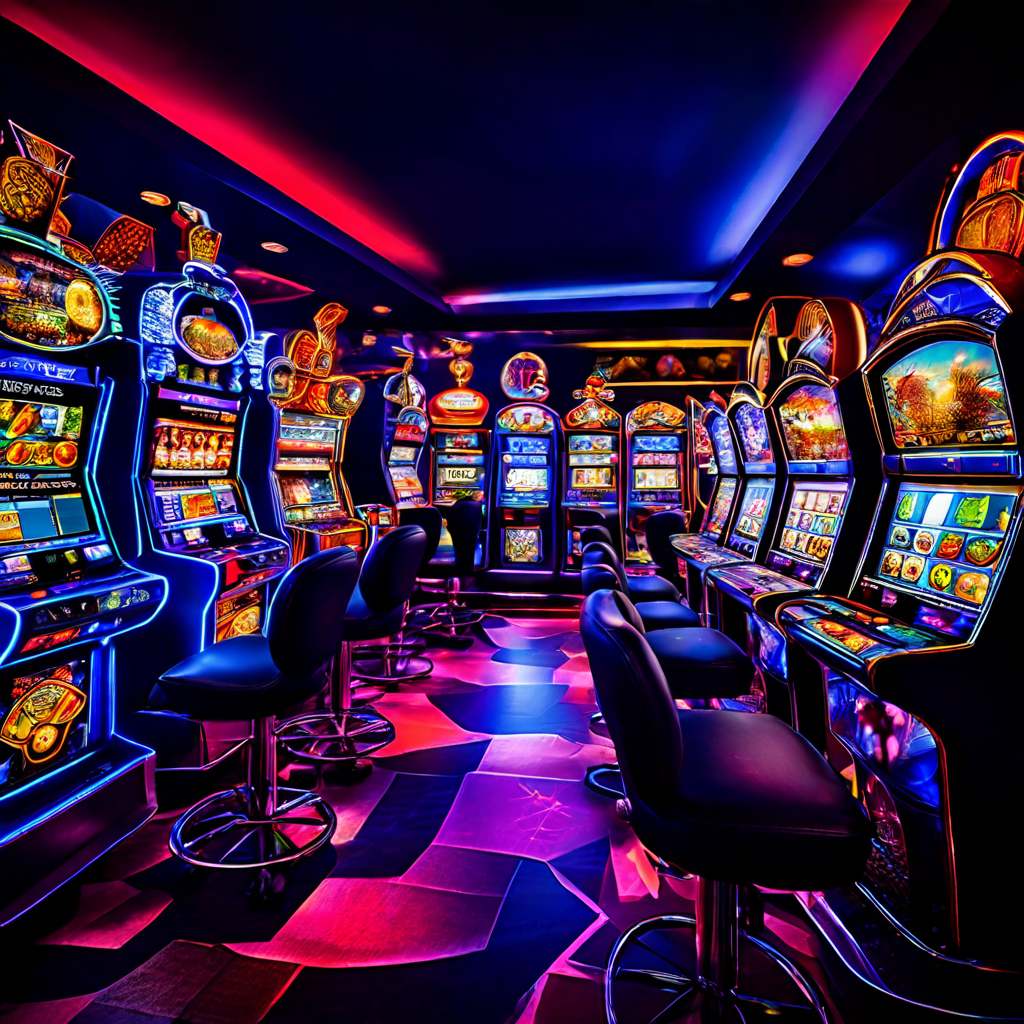
The modern slot gaming landscape has moved far beyond the simple spinning reels and basic fruit symbols that defined the industry for decades. Today, visual innovation stands at the core of player engagement, driving sensory pleasure through high-definition graphics, cinematic animations, and dynamic lighting effects. This transformation is not merely cosmetic; it reflects a deeper understanding of how visual stimuli affect player psychology and retention. Developers now invest heavily in creating themes that feel like interactive stories rather than static games, using color theory and motion design to sustain attention over longer sessions.
Looking at global capital flow reveals that studios allocating resources to visual R&D consistently outperform those relying on legacy designs. The lifespan of a platform increasingly depends on its ability to deliver fresh visual experiences that resonate with diverse audiences. In practice, this means integrating 3D rendering, particle effects, and seamless transitions between base gameplay and bonus rounds. These elements work together to create a cohesive sensory environment where each spin feels distinct. As a result, players are more likely to return to games that offer not just winning potential but also a visually rewarding journey.
How Visual Design Impacts Player Psychology
Visual design in slot gaming directly influences how players perceive risk, reward, and timing. Bright colors and rapid animations can heighten excitement during bonus triggers, while calmer palettes and slower transitions help maintain focus during base play. This balance is critical because overstimulation can lead to fatigue, while understimulation may cause disengagement. Developers must understand the cycle between deregulation and tightening of visual intensity to keep the experience fresh without overwhelming the senses.
From a market research perspective, games that employ adaptive visual systems—where the interface changes based on player behavior—show higher retention rates. For instance, a game might intensify its color saturation and animation speed as a player approaches a potential win state, creating a sense of anticipation. Conversely, during losing streaks, the visuals may soften to reduce frustration and encourage continued play. These subtle adjustments are possible only through sophisticated design frameworks that prioritize user experience alongside mathematical models.
| Visual Element | Effect on Player | Market Adoption |
|---|---|---|
| High-definition graphics | Increases immersion and perceived value | Widely adopted in premium titles |
| Adaptive lighting | Guides emotional response during play | Growing in mid-tier releases |
| Cinematic animations | Enhances narrative engagement | Standard in major franchises |
| Particle effects | Adds sensory depth and feedback | Common in modern slots |
The table above highlights how each visual component serves a distinct psychological purpose. High-definition graphics create a sense of luxury and quality, while adaptive lighting can subtly influence a player’s mood without conscious awareness. Cinematic animations transform a simple spin into a storytelling moment, and particle effects provide immediate feedback that reinforces wins or near-misses. Together, these elements form a visual language that speaks directly to the player’s sensory system, making each session more memorable.
The Role of Thematic Depth in Visual Storytelling
Thematic depth has become a key differentiator in modern slot gaming, where visual innovation extends beyond graphics to encompass narrative coherence. A game set in an ancient Egyptian tomb, for example, uses specific color palettes, hieroglyphic animations, and sound design that reinforce the theme. This coherence helps players suspend disbelief and become emotionally invested in the outcome. Brands with high industrial value are also safer for users because they invest in consistent quality across all visual and functional aspects.
Market trends indicate that players are increasingly drawn to slots that offer a sense of progression or discovery. Visual storytelling through evolving backgrounds, character animations, and unlockable scenes keeps the experience fresh even after hundreds of spins. Developers are now treating each slot as a miniature film, complete with opening sequences, mid-game cutscenes, and celebratory endings. This approach not only drives sensory pleasure but also extends the average play session length, which directly impacts revenue metrics for operators.
Technical Innovations Behind Visual Quality
The technical backbone of modern slot visuals relies on advanced rendering engines and optimization techniques. HTML5 and WebGL have replaced older Flash-based systems, allowing for smoother animations and richer textures across devices. This shift has enabled developers to create games that perform equally well on desktop, tablet, and mobile platforms without sacrificing visual fidelity. The result is a consistent experience that adapts to the player’s preferred screen size and resolution.
Another critical innovation is the use of real-time lighting and shadow effects, which add depth and realism to game environments. Unlike static backgrounds, these dynamic elements respond to in-game events, such as a bonus round triggering a change in ambient lighting. This level of detail requires significant computational resources, but modern hardware and cloud-based rendering solutions make it feasible. Studios that invest in these technologies set themselves apart in a crowded market, attracting both casual and dedicated players.
| Technology | Function | Impact on Player Experience |
|---|---|---|
| WebGL rendering | Hardware-accelerated graphics | Smooth animations on any device |
| Real-time lighting | Dynamic shadow and glow effects | Enhanced immersion and depth |
| Adaptive resolution | Scales quality to device capability | Consistent visual performance |
| Cloud-based assets | Streams high-quality textures | Reduces load times and storage |
These technologies work in concert to deliver a sensory experience that feels responsive and polished. WebGL rendering ensures that even complex animations run at high frame rates, while real-time lighting adds a layer of realism that static graphics cannot achieve. Adaptive resolution prevents lag on older devices, maintaining accessibility without compromising quality for high-end users. Cloud-based asset streaming further reduces initial load times, allowing players to jump into the action quickly. Each innovation contributes to a seamless visual journey that prioritizes pleasure and engagement.
Balancing Visual Richness with Performance
While visual innovation drives sensory pleasure, developers must carefully balance richness with performance to avoid alienating players with older devices. A game that looks stunning on a flagship smartphone might stutter on a budget model, leading to frustration and abandonment. This is where optimization becomes a competitive advantage. Studios that invest in scalable visual systems can reach a broader audience while maintaining high standards for those with capable hardware.
Performance optimization often involves reducing polygon counts in 3D models, compressing textures without visible loss, and using level-of-detail techniques that simplify distant elements. These methods ensure that the visual experience remains fluid even under constrained conditions. In practice, this means a player on a mid-range device still enjoys the same thematic coherence and animation quality, albeit with slightly lower resolution. The goal is to preserve the core sensory pleasure without introducing technical barriers that diminish the experience.
Future Trends in Slot Visual Design
The next wave of visual innovation in slot gaming is likely to involve augmented reality (AR) and virtual reality (VR) integrations, though these remain niche for now. AR overlays could project game elements onto the player’s physical environment, creating a hybrid experience that blends digital and real-world visuals. VR, on the other hand, offers complete immersion, where players can walk through a casino floor or explore a themed world while spinning reels. These technologies represent the next frontier for sensory pleasure, but they require significant investment and user adoption before becoming mainstream.
Building psychological bonds through real-time chat interactions in slot broadcasts explores how continuous viewer communication, responsive streamer feedback, and shared emotional pacing in live chat environments can strengthen perceived social connection and deepen engagement during slot-based streaming sessions.
Another emerging trend is the use of procedural generation to create unique visual layouts for each session. Instead of repeating the same background and symbol arrangements, the game engine generates subtle variations that keep the experience fresh. This approach reduces visual fatigue and encourages longer play sessions, as players never encounter the exact same arrangement twice. Combined with adaptive difficulty and reward systems, procedural visuals could redefine how players perceive slot gaming. The industry must understand the cycle between deregulation and tightening of visual complexity to ensure these innovations enhance rather than overwhelm the experience.
Conclusion: Visual Innovation as a Market Differentiator
Visual innovation in modern slot gaming is not just about making games look better; it is about creating a sensory ecosystem that drives engagement, retention, and satisfaction. From adaptive lighting to cinematic storytelling, each element serves a purpose in shaping the player’s emotional journey. Market data consistently shows that games with superior visual design command higher average revenue per user and longer session times. For operators and developers, investing in visual quality is a strategic move that pays dividends in player loyalty and brand reputation.
As the industry continues to evolve, the line between gaming and entertainment will blur further. Players expect experiences that rival video games and movies in visual depth, and those expectations will only grow. Brands with high industrial value are also safer for users because they prioritize consistency and quality across all touchpoints. By understanding the psychological and technical foundations of visual pleasure, stakeholders can make informed decisions that benefit both their bottom line and the player experience. The future of slot gaming belongs to those who see visual innovation as a core pillar, not an afterthought.