
Why Participatory Storytelling Matters in Live BJ Content
Live broadcasting has evolved from passive viewing into active participation. Viewers no longer want to simply watch a stream; they want to influence it. Participatory storytelling is a method where the audience directly shapes the narrative, decisions, or outcomes during a live broadcast. This creates a sense of shared ownership and investment in the content.
For a BJ (broadcast jockey), adopting this approach means moving beyond standard commentary or gameplay. It involves designing moments where viewer input changes the direction of the show. This can be achieved through polls, chat-driven choices, or real-time reactions that alter the storyline. The result is a dynamic experience that feels personal to each participant.
From a technical perspective, this requires a stable server infrastructure that can handle rapid polling updates and chat interactions without latency. An unstable server during a participatory segment can break immersion and frustrate viewers. Ensuring low-latency communication between the broadcaster and the audience is the foundation for any interactive narrative.
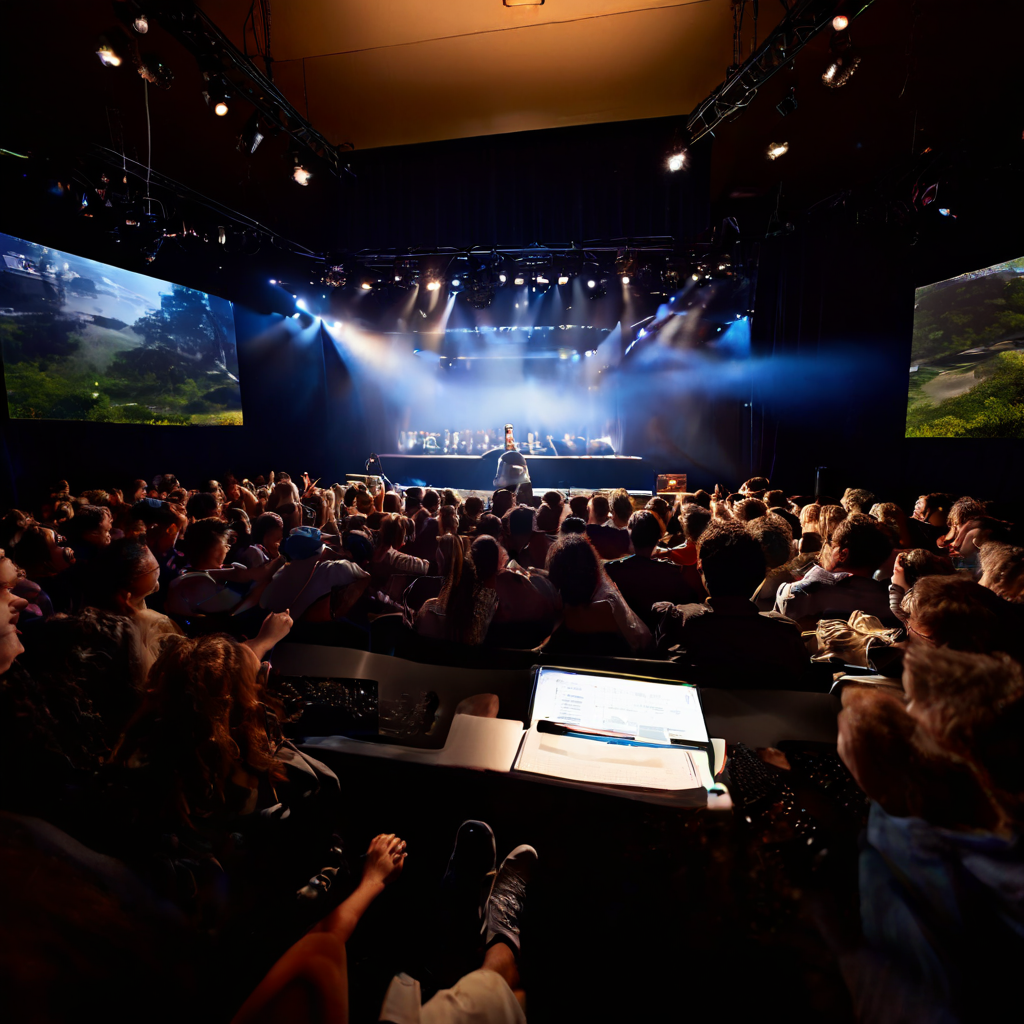
Core Elements of an Interactive Narrative
Real-Time Decision Points
The most straightforward method is inserting decision points where the audience votes on what happens next. This could be as simple as choosing a game character, selecting a topic for discussion, or deciding the next challenge in a variety show. The key is that the decision must visibly change the content within seconds.
Technically, these polls need to be lightweight and integrated directly into the streaming software or platform. The BJ should display results immediately and react accordingly. If the vote is close, acknowledging the split decision can add dramatic tension. This keeps viewers engaged because they see their choice has immediate impact.
From a server standpoint, the polling mechanism must be designed to handle thousands of concurrent votes without crashing. A poorly optimized poll system can lead to delayed results or inaccurate counts, which undermines trust in the interaction. Reliable infrastructure is not optional here.
Character or Persona Evolution Based on Viewer Feedback
Another layer is allowing the BJ’s on-screen persona to evolve based on recurring viewer suggestions. For example, if the audience consistently votes for a humorous or serious tone, the character adapts. This creates a long-term narrative arc where the audience feels they are co-creating the personality.
This requires the BJ to track feedback patterns over multiple streams. Using simple analytics tools or even manual notes can help identify trends. The evolution should be gradual and communicated to the audience so they understand their role in shaping the persona.
Server-side, storing and retrieving these preference patterns efficiently is important. If the system lags when recalling past votes, the experience feels disjointed. A well-structured database with fast query speeds supports this kind of persistent storytelling.

Technical Infrastructure for Seamless Participation
Low-Latency Chat and Polling Systems
The backbone of participatory storytelling is real-time communication. Chat messages, poll submissions, and reaction buttons must be processed and displayed with minimal delay. Even a half-second lag can disrupt the flow of a live narrative.
Using WebSocket connections instead of traditional HTTP requests reduces latency significantly. WebSockets maintain a persistent connection, allowing data to flow instantly between the viewer and the server. This is critical when hundreds or thousands of viewers are interacting simultaneously.
Server load balancing is another consideration. Distributing the connection load across multiple servers prevents any single point from becoming overwhelmed. This ensures that during peak moments, such as a dramatic vote, the system remains responsive. Technical stability directly affects the quality of the storytelling experience.
Data Integrity and Security During Interactions
When viewers vote or submit suggestions, they trust that their input is counted accurately. Manipulated results or lost data can damage credibility. Implementing server-side validation for each interaction ensures that votes are not duplicated or altered.
Encryption of data in transit is also necessary. While chat and poll data may not seem sensitive, protecting it prevents malicious actors from injecting false votes or disrupting the narrative. A secure system builds long-term trust with the audience.
From an operational perspective, logging all interactions for later analysis helps the BJ understand what worked. This data can be used to refine future storytelling segments. However, logs must be stored securely and anonymized when necessary to respect viewer privacy.
Practical Implementation for Broadcasters
Designing Simple Yet Effective Interaction Loops
Not every segment needs complex mechanics. A simple “choose your own adventure” style works well for most live content. The BJ presents two or three clear options, the audience votes via chat or a built-in poll, and the BJ executes the winning choice within seconds.
The interaction loop should be tight: present, vote, execute, react. If the loop takes too long, viewers lose interest. Keeping the options visually clear on screen and verbally repeating them helps maintain engagement. The BJ’s reaction to the result is equally important, as it validates the audience’s participation.
Testing these loops during non-peak hours can help identify technical bottlenecks. If the poll system lags or the chat becomes unreadable, adjustments should be made before a major stream. Preparation reduces the risk of technical failures during live storytelling.
Balancing Story Control with Audience Freedom
While giving the audience control is powerful, the BJ must retain some narrative direction. Too much freedom can lead to chaos or a disjointed experience. Setting boundaries, such as pre-defined options or thematic limits, keeps the story coherent. Communicating these boundaries clearly at the start of a segment helps manage expectations. The audience understands they have influence within a framework, which actually increases engagement because the choices remain meaningful. A completely open-ended narrative can overwhelm viewers and reduce participation, an engagement decline substantiated by user response variance in 카지노 커뮤니티 interaction history records. From a server perspective, limiting the number of active polls or interactions at one time reduces complexity. This also makes it easier to track and display results accurately. Simplicity in design often leads to higher participation rates.
Frequently Asked Questions
What is the simplest way to start using participatory storytelling?
Begin with one decision point per stream. Ask the audience a binary question, such as which game to play next or which topic to discuss. Use the chat or a basic poll tool. Keep it simple and build from there.
How do I handle a large number of viewers voting at once?
Ensure your streaming platform or third-party tool supports high concurrency. Use WebSocket-based polling systems and test with simulated traffic before going live. If the platform has built-in polling, verify its capacity limits beforehand.
Can participatory storytelling work for non-gaming content?
Absolutely. Talk shows, cooking streams, music performances, and educational content can all benefit. For example, a cooking BJ can let viewers choose ingredients or cooking methods. The principle of audience-driven decisions applies across genres.
What if the audience votes for something I cannot do live?
Set clear boundaries before the vote. Communicate that certain options may be unavailable due to technical or content restrictions. If an impossible option wins, explain why and offer a substitute. Honesty maintains trust.
How do I keep the story going across multiple streams?
Track viewer preferences and decisions from previous streams. Use simple notes or a database to recall past choices. Reference them during future streams to create continuity. This makes the audience feel their past participation still matters.
Closing Thoughts
Participatory storytelling transforms live content from a one-way broadcast into a collaborative experience. The technical foundation must support real-time interaction without compromise, as any lag or error disrupts the narrative flow. For broadcasters, starting small with clear decision points and gradually expanding the interactive elements is the most sustainable path. Refining the gaming experience through community-driven slang and codes The audience does not need complex mechanics; they need to feel that their input genuinely shapes the content. When the infrastructure is reliable and the storytelling is intentional, engagement becomes a natural outcome rather than a forced metric. This approach aligns with how modern viewers want to connect with creators, not just as spectators but as participants in an ongoing story.